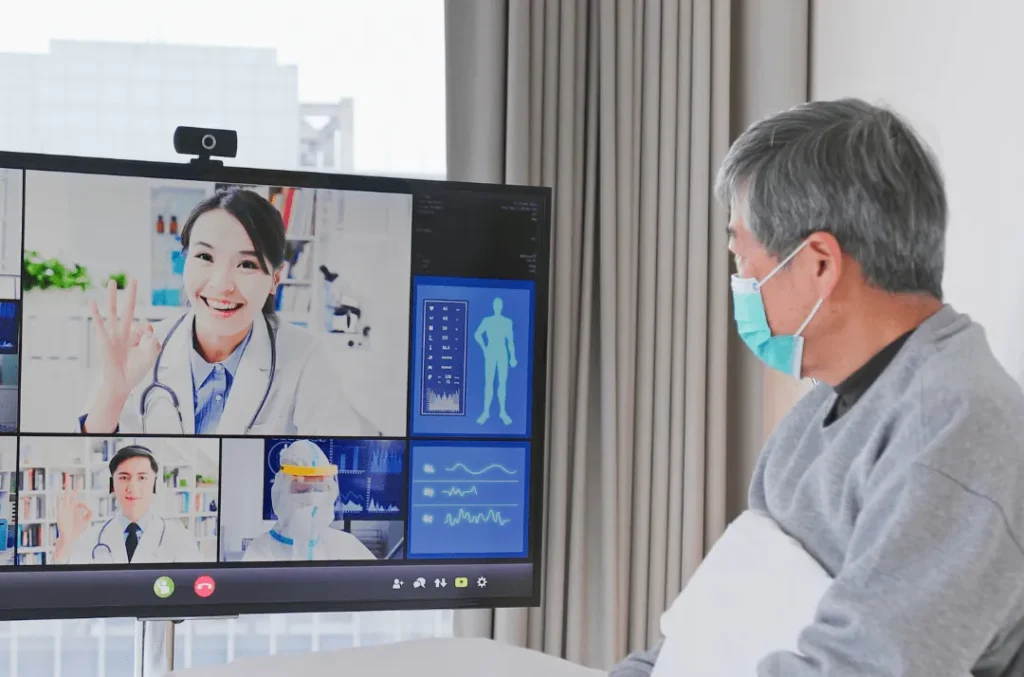
The pandemic has spread across the world, and many of us now worry about our health all the time. Cold, throat infections, fever, breathing problems and fatigue have become buzzwords. Even the slightest symptom can send us into a sudden panic. The first thing we want to do is see a doctor. This is where telemedicine, a boon for humanity, comes in.
Why rushing to the hospital is not the answer
However, rushing to hospitals and healthcare centers is not a good idea right now. The number of COVID-19 patients is growing out of control. A rush of visitors only makes these places more crowded and harder to manage. It also increases the risk of infection for you, and for the doctors and healthcare staff. None of us wants that.
Today we need to stay at home and stay safe. Self-quarantine and self-care are what the conditions demand. Still, we cannot ignore the need for healthcare. People do not only need medical help because the symptoms of the coronavirus cause panic. A huge part of the population also needs constant medical attention because of chronic illness. So, what is a possible solution?
How telemedicine helps, a boon for humanity
A person does not need a test or a hospital bed every time. Some symptoms are just a normal illness from a weather change or something else. In such cases, the best thing to do is to consult your doctor by phone call or message before you rush to the clinic unannounced. This helps in two ways. First, it keeps clinics, medical centers and hospitals from getting crowded, which lowers the risk of exposure. Second, it lowers the burden on doctors and nurses.
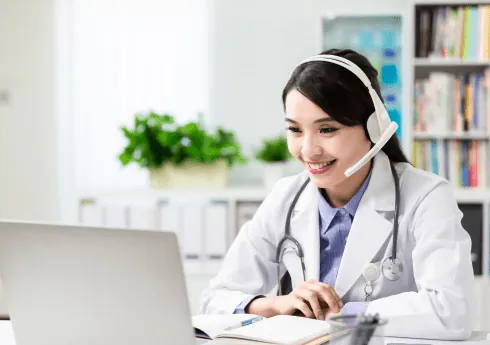
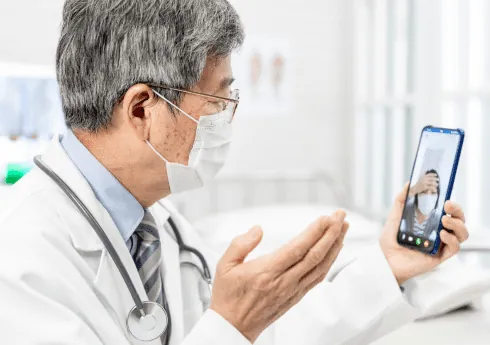
Governments have also urged people to use telemedicine facilities, where doctors and medical practitioners give online consultations. Many organizations are working constantly to make these facilities available. They connect you with your doctor virtually. You can have a complete diagnosis without any physical contact.
How remote diagnosis works
Technology has advanced enough to make remote diagnosis easy and convenient. All you need is a good, uninterrupted video connection. With that, the doctor can diagnose the patient. Digital stethoscopes can check the breathing and pulse rate. A good torch at the remote end lets the doctor look at the throat and nose. After an initial diagnosis, your doctor can refer you to the treatment you need.
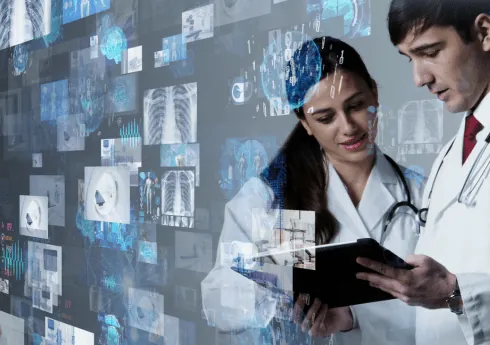
Telemedicine solutions also keep doctors safe, because they can work from the safety of their homes. This protects them from exposure too. Besides that, bots and other AI tools make these facilities possible. These bots can connect you with medical practitioners. Moreover, some applications give complete information about the coronavirus and COVID-19 and show how you can stay protected. You can clear all your queries with such applications.
Telemedicine for people with chronic illness
Telemedicine is also a very useful facility for people who need constant medical help. Doctors can keep in touch with patients who suffer from chronic diseases. They can make sure these patients get continuous, uninterrupted treatment. Many doctors are available and treat patients with cardiac problems and diseases such as diabetes and cancer. Some devices let people examine their own health. They can then send their reports to the doctors for analysis and prescriptions.
Conclusion
Telemedicine has become a big solution for everyone during this dreaded situation. Using it well will serve humanity well. It is, without a doubt, a boon to humanity in these conditions, and it will keep serving as one. It gives access to medical facilities while keeping both doctors and patients safe. It also prevents overcrowding and exposure. This is what India needs to combat the situation.
With constant effort and our hands joined together, we can all get through this. Let us all hope for the best! Stay home! Stay safe!
Have a question about this?
Book a 30-minute call with an engineer who works on it.